

Mansplaining? If you’re in any doubt as to what that is where have you been? It’s the art (It’s not an art -I’m being sarcastic), of men correcting women in a patronising way. Even when that woman very obviously knows more than the man speaking.
Rebecca Solnit wrote about it in 2008 when she published her book ‘Men Explain Things To Me’ but it had been around long before that. Deliciously in the book she recounts a tale of a man explaining her own book to her. You couldn’t make it up.
Where do mansplainers get their water?
From a well, actually…
Mansplaining Research
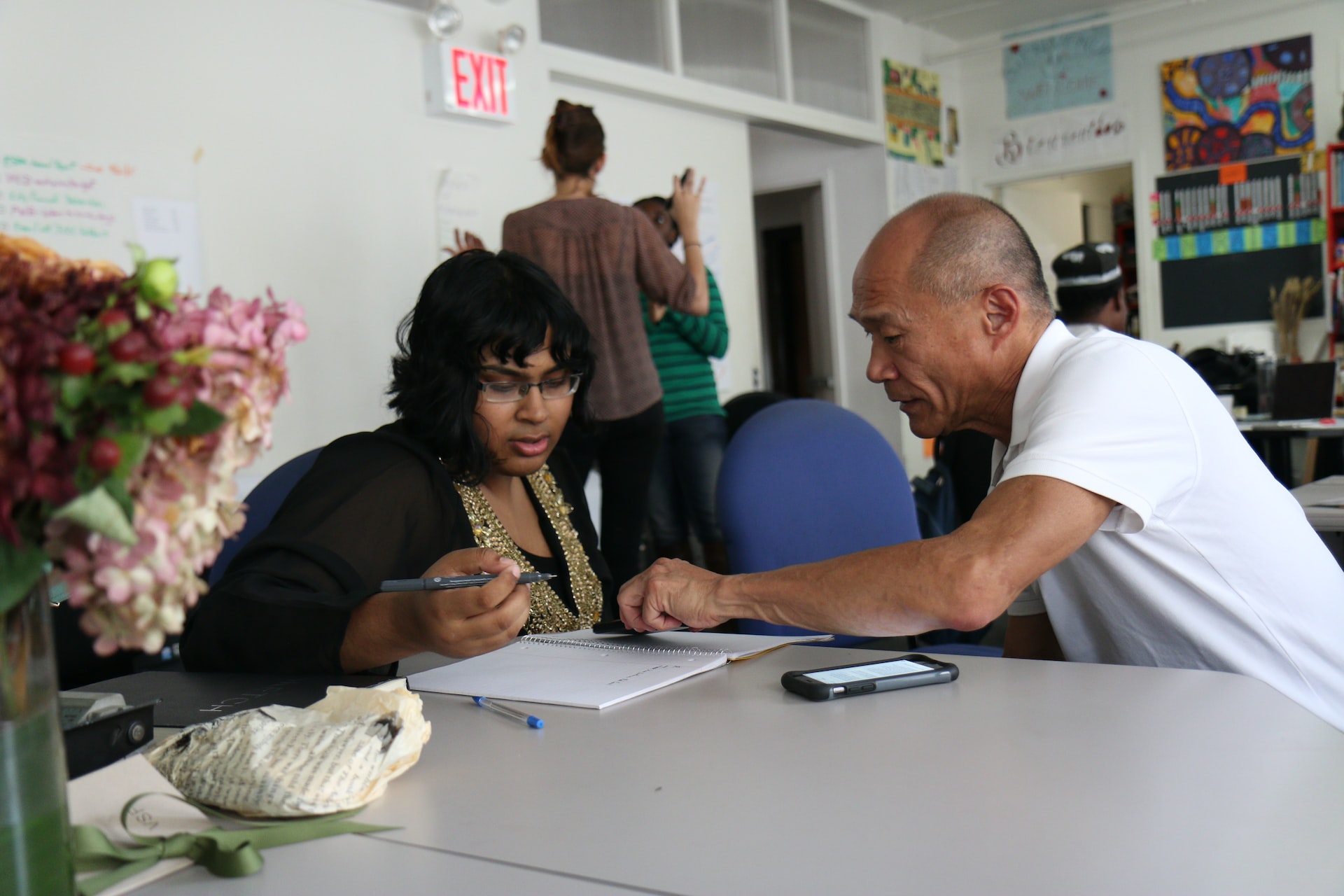
It’s not just a feminist myth, there is actual research to back up the theory. If you’ve been on one of my SpeakUp courses, or bought the audio course you’ll know there is a mass of research showing that men talk over women, somehow don’t hear women’s ideas in meetings, and usually ask men the first question in meetings. And on and on. Mansplaining is another version of this taught male superiority.
Everyone (women included) has been socialised to accord men more authority. Interestingly tall men get even more kudos for simply opening their mouths… (Says very cross woman of 5ft 3in). Men have been conditioned to believe that what they have to say is important, that they will be heard, that they have something worth saying. Sometimes they literally do not hear women’s voices.
Recent research into the impact of mansplaining has been carried out by Caitlin Briggs. The link will take you to the actual research she conducted at Michigan State University, but the bit I found especially interesting was that it had the effect of silencing women. Which is pretty much what happens with all the other behaviours I described above. We need women to speak up at work, we need women to be heard at all levels of society. The consequences of silencing women’s voices can be, at best, a loss of good ideas/employees and at worst something sinister and fatal to women.
Women Can Mansplain But..

Women can patronise men, too, of course. I might even have done it myself… However, the impact on women is much more negative than on men.
Women spoke less after being mansplained to. It’s another way of silencing women’s voices. Men’s dialogue was unaffected. They possibly saw it as rude but carried on regardless. (check this out Did You Know a Nod Can Be Gender Biased?)
Other research (Chelsea Smith Caleton University, Ottowa) shows that the impact of behaviours like mansplaining led to women’s dissatisfaction at work. She collected a database of tweets on incidents of mansplaining and analysed it to spot themes. As a result of this she suggests broadening the definition to:
Providing an unsolicited or unwelcome condescending or persistent explanation to someone, either questioning their knowledge or assuming they did not know, regardless of the veracity of the explanation. The mansplainer is most typically a man and the recipient is most typically not a man.
Chelsea Smith, Carleton University, Canada
Coaching Tips To Mange Mansplaining
So what can we women do about it? I’ve been delivering courses to staff at Universities for some time and it frequently comes up. Women in academia know well of what I speak. We’ve had some interesting discussions as you can imagine.
These are my coaching tips:
- Knowledge. Knowing the research is key, spotting when it happens is key. It’s usually definitely not you, it’s them. That fact alone can be empowering.
- Share your knowledge with other women and crucially other men. (If they will listen…) It’s one of the reasons Speak Up is such a game changer for women because it gives then the tools and information. It’s not you, it’s them…
- Agree with other women in your workplace that you will support other women when this happens. Amplify women’s voices. Support the sisterhood! Most of this is learned behaviour which means it can be unlearned, by both women and men. Yes, we’re into behaviour modification techniques. Be consistent and assertive. (I can help with that if you’d like some individual coaching).
- Keep a note of when it happens to and any impact it has on you. It sounds a bit cliched but simply asking yourself “How is this making me feel?’ can be a powerful antidote. Don’t give someone else the power to manage your feelings.
Dame Mary Beard
I love Mary Beard. I first encountered her after a journalist (male) took her to task publicly for not bothering too much with her appearance, i.e. looking too old. She made a very robust riposte and my heart was won over. I’ve interviewed her several times since.
Of the many interesting things Mary has said my favourite is:
We have not yet learned to hear the authority in women’s voices.
Dame Mary Beard
The learning goes on.
Top Photo by Icons8 Team on Unsplash. I pay a subscription to Unsplash to contribute towards people’s work.
RenewYou, My Tried and Tested Career Booster!
RenewYou has helped thousands of women make positive and lasting change in their lives. I deliver it one-to-one as part of a bespoke coaching package for women looking to move into leadership, to progress their career, or who wish to be the absolute best version of themselves.

Posted on February 14th, 2023 by Jane


