
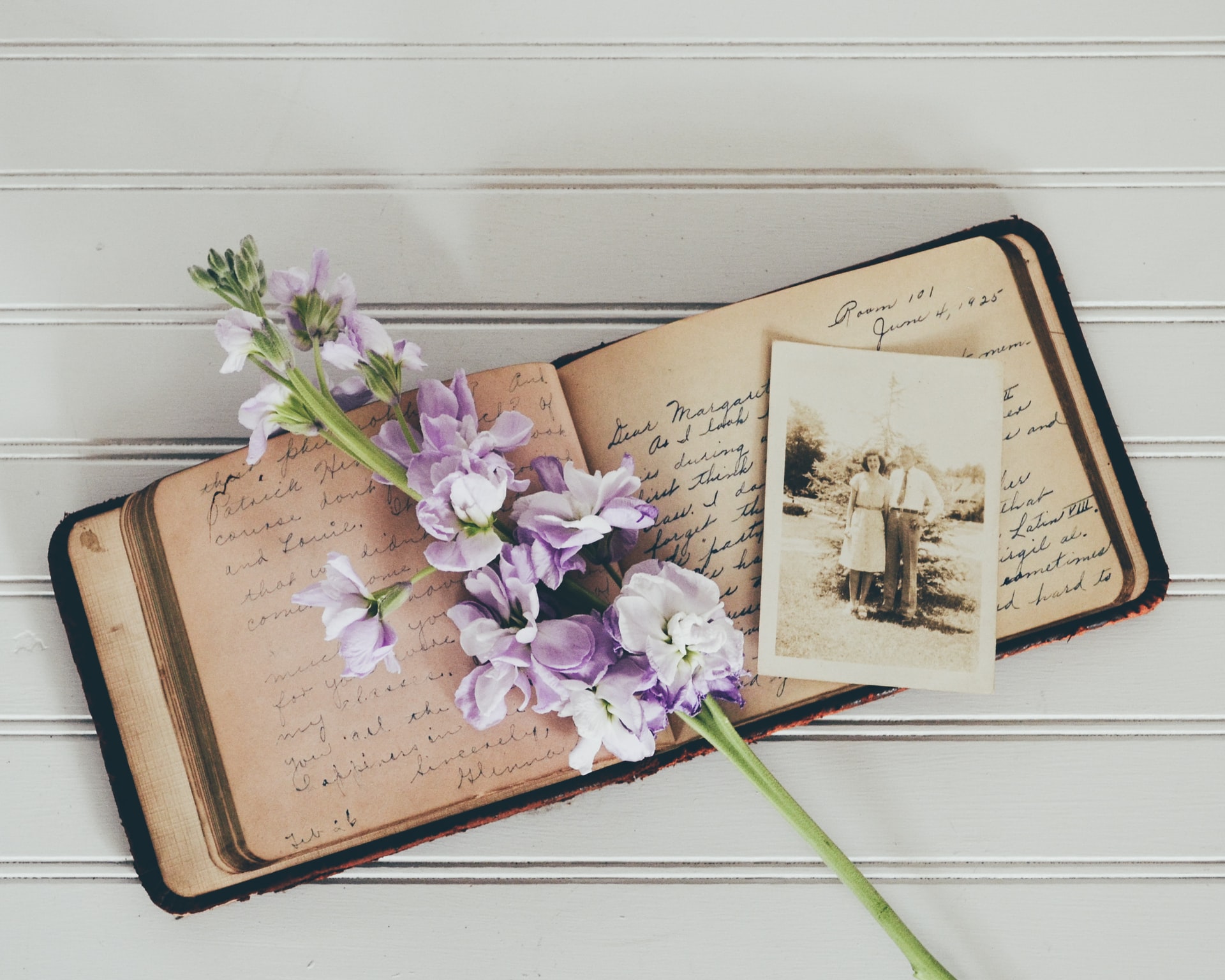
We all have a past, a personal history. And we all have views about how good, bad, helpful or indifferent our past is. Our past, our life history, is important. It has brought us where we are today. Honouring our past can be therapeutic and positive. Let’s look at how to put your past where it belongs…
Is Your Past Haunting Your Future?
But there are times when the view we hold of our past can hold us back from fully experiencing the present. Our view of the past stops us from developing into the people we can be, from living life to the full and pro-actively shaping our future.
We cannot change our past. The good news, however, is that we can change the view we hold of our past.
I am not pretending this is an easy thing to do. It isn’t. If you have had a particularly difficult time it would be trite of me to say “try this exercise and magically all will be well”. Clearly that is nonsense. (That said, of course, I do have a personal development exercise for you to try below)
Manage Your Past
What I know is, with care, attention, and support, you can take some control of the impact your past has on you. People are extraordinarily resilient. You are extraordinarily resilient. If you need to, you can overcome your past.
In my career I have worked with both criminals and victims of crime, helping them both to overcome the difficulties of their past experiences to move forward in a positive way.
Similarly, I’ve worked with women in abusive situations helping them find a way out and break the cycle. I’ve worked with children who found themselves part of the care system and carried enormous feelings of guilt with them. Understanding their past history was fundamental to helping them move on. Knowing their negative internalised messages and neutralising them really put them on the road to living a full and happy life.
A Personal Development Exercise – The River of Your Life

There are lots of ways of looking at your past but what follows is an exercise that has worked well with my clients. Give yourself plenty of time and, depending on your unique circumstances, choose a time when you feel strong enough to look at your past. Make sure you look after yourself.
Take a large sheet of paper and some coloured crayons; the coloured crayons will stimulate your creativity and help your thinking.
If you can, in your mind’s eye, try and imagine your life as a meandering river. You know where it started but you don’t know where it will end. At times it has flowed over stony ground and been split into different directions. Sometimes drought has almost stopped its flow, and other times it has been full and strong, overcoming all obstacles in its path. Allow your creativity free rein. If you want to put in little islands or hummocks or a jetty along the way, do. This is simply an aid to help you think.
Take Your Time
As you draw your river, imagine that each bend and change in flow represents a significant event in your life. An early memory may be a new sibling, for example, or starting school, a move to a new neighbourhood. It’s a natural human tendency to focus on negative events – try to resist this. Try to include ALL the significant events of your life.
Spend some time on this so you get some really good material to work with. Don’t try to rush ahead to the analysis stage. Take your time and allow your thoughts to wander a little if they need to. If you feel yourself getting upset simply notice the emotion. Don’t try and stop the feelings surfacing; they are an important part of this exercise. Instead, note them in some way.
Some bends in your river may bring a smile to your face. Make a note of that, too.
Reflect
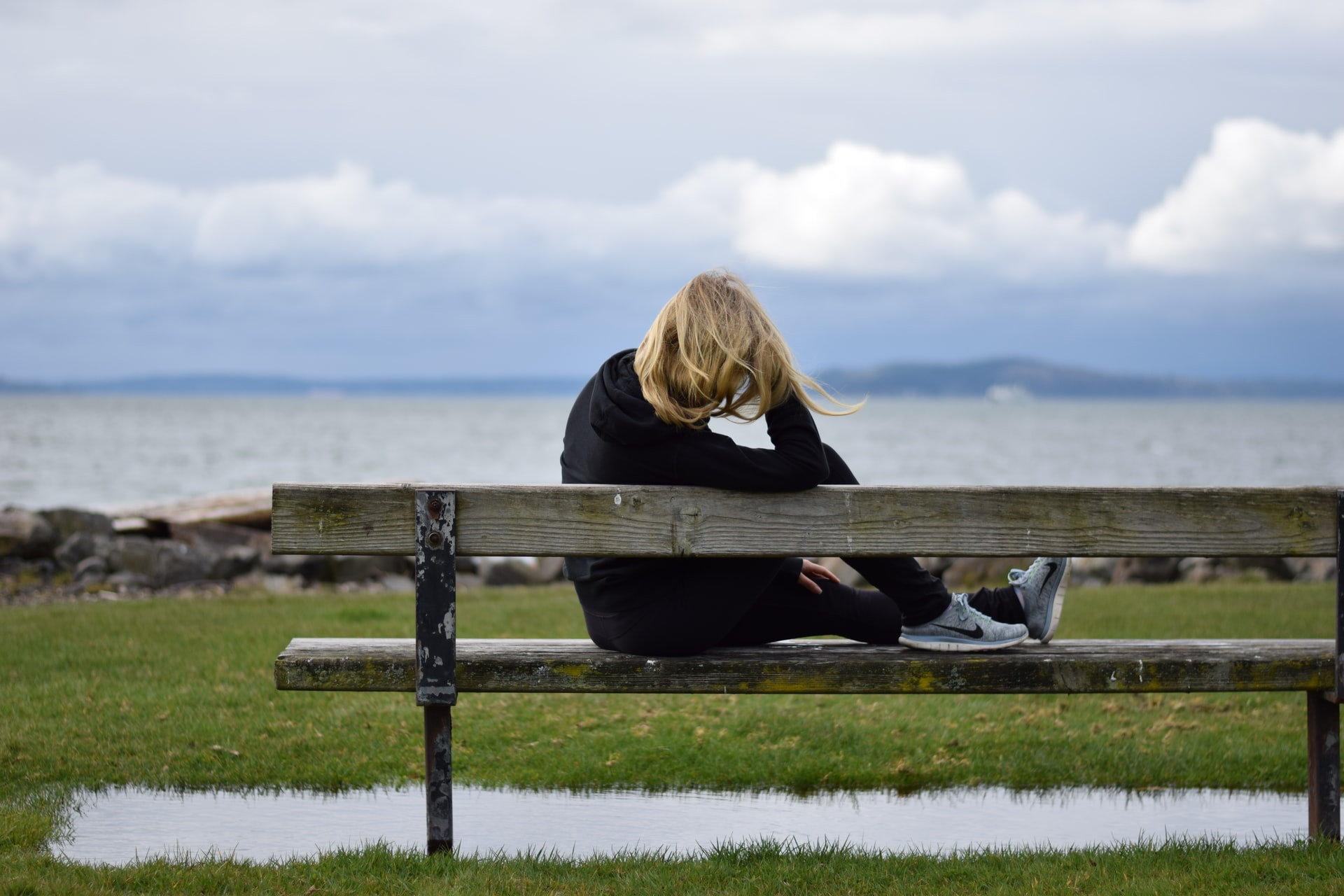
Keep on adding bends/ chicanes/ waterfalls/ incised meanders/ islands/ jettys/ moorings (my geography teacher would be proud) and drawing out your river until you have reached a point where you want to stop. Now look at what you have produced and ask yourself these questions:
- How have those bends and turns influenced me in my adult life?
- What practical effect have they had on my life to date?
- How has it impacted on you emotionally?
- What is your view of those events? Good, bad, indifferent?
- If that view is negative, can you come up with an alternative positive interpretation?
- What coping strategies have you used that have worked for you?
- What strengths have you gained from your life experiences?
- How do you want the rest of your river to flow?
Usually the impact of this exercise rolls out over a period of time. You will remember new bits to add to your river, have new thoughts, relive good and bad times.
The purpose of this exercise is to take control of your past, to make it work for you, not against. It’s not about rubbishing or minimising what has happened in your life. It may be more about honouring it, giving it a place (but not too big a place). This applies to whatever your view of your past is.
Live in the Present
Living in the past is no place to be. If your past is pulling you back, resolve to deal with it now. Get professional help if you need it, take space if you need it. Resolve to live in the now. And remember:
“We are not touched so much by life’s events themselves, but by the view we CHOOSE to take of them“
Epictetus, Stoic philospher
You can always have control, don’t be a victim of your past. Be the champion of your future!
RenewYou, My Tried and Tested Career Booster!
RenewYou has helped thousands of women make positive and lasting change in their lives. I deliver it one-to-one as part of a bespoke coaching package for women looking to move into leadership, to progress their career, or who wish to be the absolute best version of themselves.

Posted on February 28th, 2022 by Jane


