

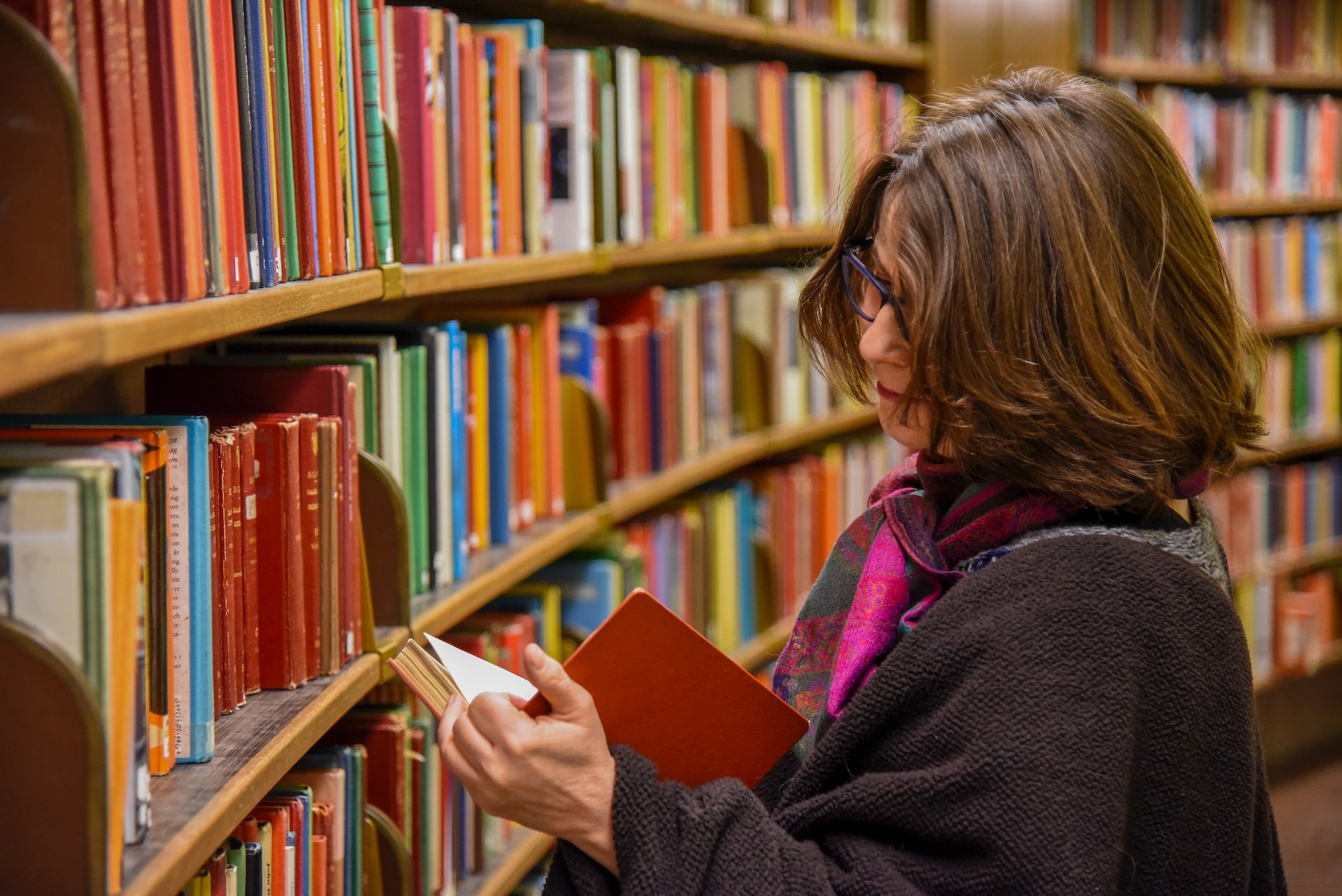
Here’s another in my series featuring inspirational women. This time my inspirational woman is a literary agent. If you’ve ever wondered (like me) just what does a literary agent do, wonder no more. Meet Anna Pallai, (pictured above) who runs AMP Literary,. Her agency describes itself ‘with a particular interest in bold female voices’. How could I resist?
Jane: Anna, Having spoken with you, I know that you are definitely not your standard literary agent. That said, can you describe what a ‘standard literary agent usually does?
Anna: A literary agent will work with an author on their proposal. That may be a complete manuscript or a selection of sample chapters (in the case of non-fiction) – getting it into a suitable state for submission to editors. They’ll submit to appropriate editors and if an offer comes in, they’ll negotiate on behalf of the author, on both the advance and contract front.
Depending on the book, they may hold back certain rights. For example translation, TV or audio, and will try to sell these elsewhere. An agent should also keep an eye on a publishers’s publication plans, making sure that everything is being considered and that the author is fully abreast of all aspects of the process.
Honest Assessments

An agent should be the person an author turns to for honest assessments of both their work and of how it’s being handled by a publisher. The ideal relationship is one of trust.
What it is that you do differently? How did you end up championing women?
I work alone (though I do use someone for contracts and translation / US sales) so it gives me free rein to really pursue books and authors that I’m interested in. I’m also able to approach things a bit more freely, without anyone saying ‘that’s not in your job description’.
I work really closely with my authors in looking at ways that we can promote their work beyond the usual small window provided by publishers. Alongside my agenting, I still do freelance PR for various publishers and organisations, so I have a very wide range of contacts within the media. I also like to link up my authors with brands and organisations who can bring something different to a publication beyond the standard book PR.
Male Authors?
When I started out on my own, I did work with some male authors, but increasingly I found that I was drawn to women’s stories and it made sense for me to create an identity around my agency so that editors would know what to expect when I contacted them.
How did you end up in the publishing world? Was it quite a straightforward path? Did you have any kind of career plan?
My first job was a Saturday job in my local library. I worked there for 5 years off-and-on. When I left university, I was lucky enough to get a work experience position at Bloomsbury, followed by another position at Faber. It so happened that they had just lost their publicity assistant so it was a question of being in the right place at the right time.
Career Plan?

My career plan was very vague at that point. I only really knew about editorial roles within publishing, and PR seemed to be totally at odds with my as-then, very shy personality. But, being forced to spend all day, every day speaking to people I didn’t know did me a world of good. I went from being unable to envisage talking to a stranger, to having to go on tour with some of the biggest writers in the world.
In most professions working practices have been designed for men by men. Did you find this in the world of publishing? It’s a traditional world so I’m making assumptions here but happy to be corrected.
Having only worked in a permanent position in one company before starting my own, it’s hard to say whether this is a man thing or a publishing thing. But, publishing is obsessed with meetings. Pre-pre-meeting before pre-meeting before meeting. Given that most people within the company are expected to read outside of office hours, and that their office hours are spent in endless meetings, it does leave very little time to do the actual work required.
Taking Women Seriously
Women have found it very difficult to get taken seriously as writers. How do you manage that as a woman representing women?
With the type of books I’ve worked on as an agent, it’s not something I’ve come across within publishing houses. The majority of editors I work with are women, as are the teams working with them, and there’s also been a great deal of respect for my authors and their work. I don’t think this is the case for all editors necessarily, just in my experience.
Women’s Books v Just Books?
I think where the issues can come in is in terms of media coverage as there still seems to be a perception of ‘women’s books’ that separate them from ‘books’. But, generating coverage for books in traditional media outlets is more difficult by the day because of the rise of ‘celebrity’ authors. Social media obviously offers many opportunities that didn’t previously exist.
(You may like to read this post on the topic of women authors.)
I’m taking you back a wee while now to your formal education. What was your favourite subject at school? Did you hanker after a literary career?
I always loved history and studied 20th century history for my degree. I’d originally intended to work for a few years and then go back to do an MA, though that’s still not happened 27 years on. I’ve always been a bookworm, but hadn’t really considered working in the industry until an old family friend (who’d worked at Penguin) suggested I consider it. But I can’t say that I knew an awful lot about it before that point.
Who has been the most influential person on your career? Are there good female role models in publishing?
I can’t say that there’s been one person who influenced me, but I have worked with some amazing women over the years – Jo Ellis, Donna Payne and Kate Burton to name a few. I tend to be drawn to people who can do their jobs well, whilst having a sense of humour and empathy about them. Management-speak is anathema to me – particularly in an industry which prides itself on being creative.
Female Authors
Which female author would you most like to have represented?
This is an impossible question to answer and has made me waste most of the day trying to think of an answer. Of the authors I’ve worked with, I’d have to say Jenny Uglow. Jenny is one of the kindest women, as well as one of the brainiest, and she makes every subject she tackles come to life. I loved working on the campaigns for a number of her fascinating books and would love to have her on my list.
Is there a female writer that you think has been a serious game changer for women’s writing?
This is also really tough to answer as it’s hard to pick just one. The one I’ve referred to most frequently over recent years is Caroline Criado-Perez. Invisible Women is such an eye-opening book and has made me completely reconsider the world around me.
Time Travel
I’m going to give you the gift of time travel now. If you could travel back to any period in history, where would you go and why?
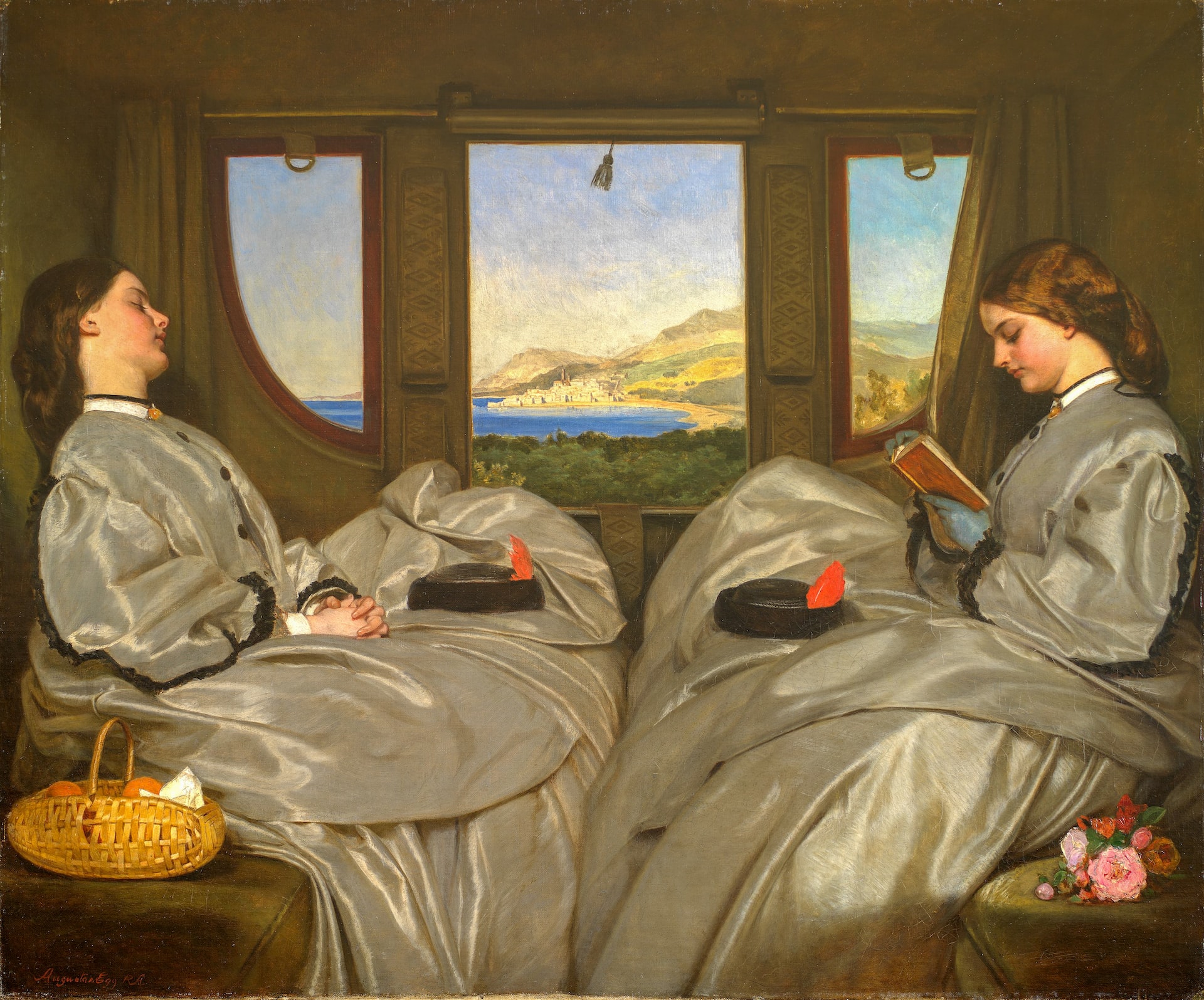
One of my favourite books growing up was Forever Amber by Kathleen Winsor, so I’d have to say a visit to the court of Charles II. But I’m not sure I’d want to stay there too long.
And finally, Anna, what advice would you give to any woman thinking of entering the literary world, either in publishing or writing?
Publishing is extremely poorly paid and you’re expected to work very long hours. Although work is being done by various companies to make it easier for people from underprivileged backgrounds to join, the reality is is that starting roles don’t pay enough to live on. And nor do salaries go up that much until you reach a very senior position – and even then, they’re not necessarily comparable with other industries.
That’s not to put people off, but I think it’s important to be realistic about the issues in the industry.
For women who are interested in writing a book, I think perseverance is key. It can take many setbacks before finding an agent or a publisher. But research will help. Targeting the right agent – rather than a scattergun approach – and asking for honest feedback from trusted friends before submitting will stand you in good stead.
RenewYou, My Tried and Tested Career Booster!
RenewYou has helped thousands of women make positive and lasting change in their lives. I deliver it one-to-one as part of a bespoke coaching package for women looking to move into leadership, to progress their career, or who wish to be the absolute best version of themselves.

Posted on February 27th, 2023 by Jane


