

Gender Equality At Work?
I feel like I’ve been asking this questions for ever. I first wrote a post on gender equality at work about 15 years ago! Sadly, not a huge amount has changed, and many changes have been cosmetic. Gender equality at work is still a hot topic and seems as unobtainable as ever.
In that time the government suggested it would force (by legislation) companies to increase women into seats on boards etc. This resulted in a flurry of activity. There was a slight upturn and suddenly companies were able to find suitable women to fill senior roles. The Government of the day trumpeted loudly in 2022 that numbers had gone up by 3%. At the same time The Fawcett Society revealed that less than a third of top jobs were filled by women.
Women Must Be Like Men to Succeed
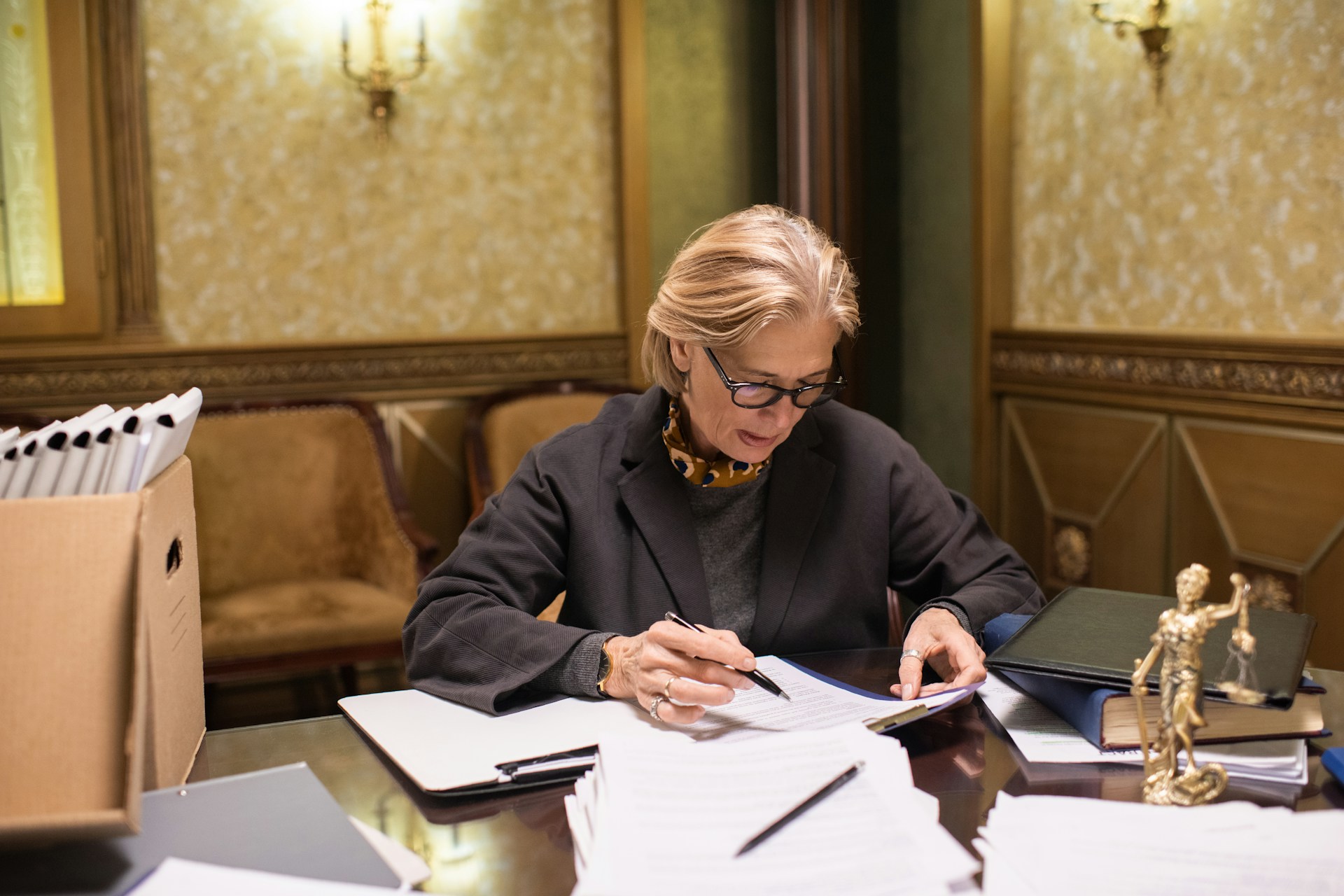
To a degree, I suspect that many women are rejecting the idea of equality currently on offer. Gender Equality at Work is still a distant dream for so many women. On the surface it looks like we have been offered equality. In fact, we have been offered places at a table designed and set by men for men.
Think about it. In my lifetime (I’m in my late sixties) workplaces were inhabited almost exclusively by men. Women had very secondary roles, in a supportive capacity. My school primarily offered girls secretarial and teaching options. The concept of equal pay was laughable.
Ask The Office
Try this experiment in your office. Just ask any group of working women how many of their mothers had careers, by which I mean worked full time for a significant period of time. There will be a quite a few, I suspect, maybe as many as half in any office.
Then ask how many of their grandmothers had careers. I suspect that there will be hardly any.
In just three generations the gender make-up of the world of work has changed dramatically. Yet women are still making their way in a world designed by and for men.
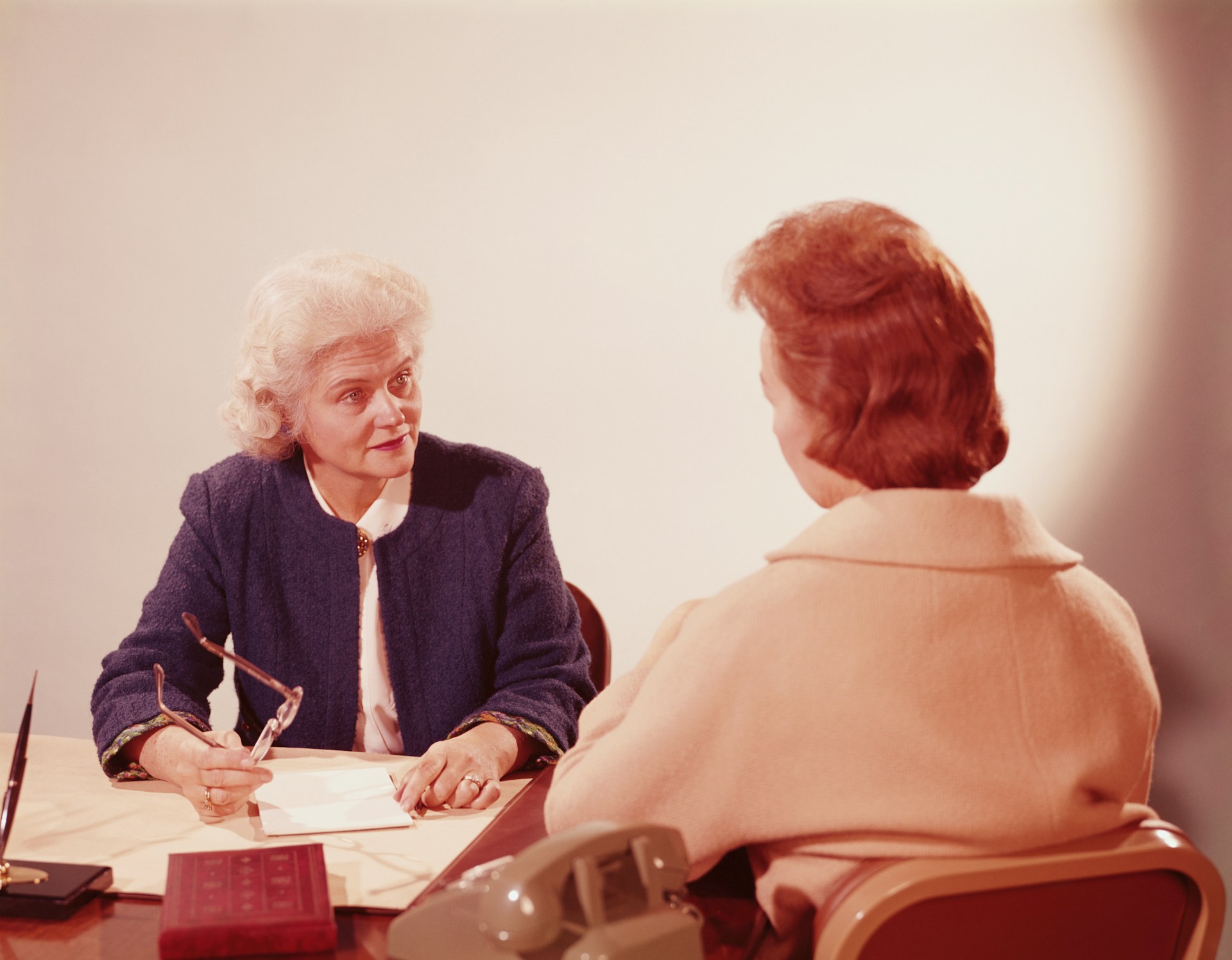
We’re in a catch 22 situation. If women behave with characteristics usually associated with men, they are often described as aggressive and unfeminine (ie traits deemed unfeminine and unbecoming, pass me the smelling salts). However, if they exhibit their more feminine side it is generally not valued in the male dominated world of work. Male characteristics and styles are still more highly valued. Is it any wonder than many of us are opting out? Unsurprisingly, a high number of small business start ups are coming from women.
Gender Equality At Work
Equal opportunities legislation has meant that most companies do have an equalities policy in place. And some of them are fantastic. There is a huge trend towards diversity and most large organisations use this term to mean a wide range of areas, covering complex issues of difference in the workplace. Ethnicity, sexual orientation, religion, physical difference, and cultural diversity., to name a few.
Ironically, into this category is added women. Are women a minority group? How big can you be and still be a minority group?
It is interesting to note that over half the population is put into this category. All women are incorporated within the diversity tag. The implicit assumption is that women need help in becoming more like the dominant class, (white males) in an organisation. If we can be coached to behave like the dominant culture all will be well.
The expectation is that women must change.
But women are not a minority culture. Women don’t need diversity support. We need to be in organisations that treat women equally. We need organisations that value the contributions from both genders equally and are not implementing policies to ‘allow’ and encourage women to behave like men.
The Economic Case

Women and men have differing leadership styles. It stands to reason. We are different in so many other ways so why not in leadership styles? Organisations that enable both genders to flourish will be the organisations that thrive.
For example, women make 80% of all purchasing decisions.
And women do not respond to the same marketing strategies as men.
Neither they do not respond to the one dimensional approach of ‘let’s do it the same as we usually do but just in pink’.
Responsive companies are adapting their style of working to be gender bilingual. The car manufacturer Volvo is a case in point. They used an all female team to research and design a concept car based on what women wanted, and said, ‘meeting women’s expectations makes us exceed the expectations of men’.
(NB, I gave a talk at Volvo a while ago on Inspirational Women. I did suggest that they renamed the venue Vulva for the day… they didn’t take my offer up. Check out Seriously, Men Need To Talk About The Vagina Business. for more on vulvas and business.)
Five Questions To Ask About Gender Equality At Work

If women are underrepresented at a senior level in your organisation maybe it’s time to ask the following questions:
At what grade or level do women stop applying for/being promoted to senior jobs?
Has an analysis been made of the reasons why?
Is there a clearly non gender specific ideal leadership profile for the organisation?
Has succession planning been thought through with a pool of both gender high potential employees?
Is the progress of women monitored? Are questions asked of managers when there is an discrepancy in numbers of female employees and numbers of female managers?
Images from Unsplash, a professional service I pay for.
RenewYou, My Tried and Tested Career Booster!
RenewYou has helped thousands of women make positive and lasting change in their lives. I deliver it one-to-one as part of a bespoke coaching package for women looking to move into leadership, to progress their career, or who wish to be the absolute best version of themselves.

Posted on September 30th, 2024 by Jane


